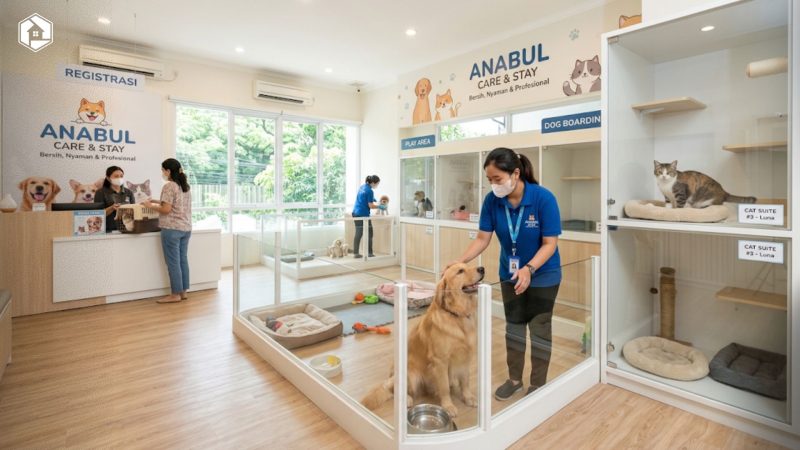
IDEBIZ — Pet owners constantly seek reliable professionals to look after their furry companions while they work or travel. This rising demand makes local pet sitting one of the most accessible and profitable home-based enterprises today. You do not need expensive storefront rentals or complex machinery to start. Instead, you build your enterprise around trust, convenience, and consistent care.
Furthermore, pet care services generate strong recurring revenue. Once a client trusts you with their pet and house keys, they will hire you repeatedly throughout the year. You can start solo, manage a tight schedule, and gradually hire additional sitters as your booking pipeline overflows.
5 Essential Steps to Launch Your Local Pet Sitting Business
Step 1: Define Your Niche and Service Offerings
Before accepting your first client, you must clarify what services you will offer. Do you plan to provide quick 30-minute drop-in visits, overnight house sitting, or daily dog walking tours?
Focusing on a specific neighborhood allows you to reduce transit time between appointments. Therefore, limit your initial service area to a 5-mile radius around your home base. This approach maximizes your billable hours while keeping fuel expenses low.
Step 2: Establish Your Legal and Insurance Foundation
Trust is the currency of the pet care industry. Because clients trust you with their beloved pets and home access, robust legal protection is non-negotiable.
-
-
Register your business structure locally (e.g., Sole Proprietorship or LLC).
-
Acquire general liability insurance designed specifically for pet sitters.
-
Secure a bonding policy to protect against theft or property damage claims.
-
Create clear client service agreements covering medical emergencies and cancellation fees.
-
Step 3: Set Competitive and Profitable Pricing
Many beginners fail because they price their services too low. Calculate your operational costs, including insurance, software subscriptions, and transit expenses, before setting your final rates.
| Service Type | Typical Time Duration | Recommended Price Range | Target Margin |
| Standard Drop-In Visit | 30 Minutes | $25 – $35 | 75% |
| Extended Care Visit | 60 Minutes | $40 – $60 | 70% |
| Overnight Pet Sitting | 12 Hours (In-Home) | $85 – $120 | 65% |
Step 4: Build a High-Converting Local Marketing Engine
You need consistent visibility in your target community. Start by claiming and optimizing your Google Business Profile with exact service keywords like local pet sitting.
Ask happy clients to leave 5-star reviews containing specific keywords and local neighborhood names. Additionally, build partnerships with local veterinary clinics, grooming salons, and pet supply stores. These cross-promotional efforts quickly drive warm, direct referrals without heavy ad spending.
Step 5: Master Operational Workflows and Client Intake
Never accept a booking without conducting a formal “Meet & Greet” consultation first. This initial meeting allows you to evaluate pet behavior, inspect the home environment, and finalize emergency instructions.
Streamline your daily operations using dedicated pet care management software. These platforms automate client scheduling, route planning, digital invoice processing, and post-visit pet report cards.
Financial Blueprint: Real-World Startup Cost and Margin Simulation
To illustrate the profitability of a solo local pet sitting enterprise, consider this initial revenue model for a solo operator servicing 12 active clients:
-
Initial Setup Costs: $450 (Business License, General Liability Insurance, Basic Gear).
-
Monthly Operating Expenses: $180 (Software, Marketing, Fuel).
-
Weekly Booking Volume: 20 drop-in visits ($30/visit) + 2 overnight stays ($90/night).
-
Monthly Revenue: $3,120.
-
Net Monthly Profit: ~$2,940 (achieving roughly a 94% gross margin on direct services).
This clean financial structure proves why launching a pet care business yields immediate cash flow when you execute your operational strategy correctly.
Top 3 Questions About Starting a Local Pet Sitting Business
1. Do I need special certifications to start a local pet sitting business?
While formal licenses are not strictly required in most regions, obtaining certifications in Pet CPR, First Aid, and professional pet care management significantly builds client trust and allows you to charge premium rates.
2. How much insurance coverage do I need for pet sitting?
A standard commercial general liability policy with at least $1,000,000 in coverage is recommended. Ensure the policy includes specific care, custody, and control endorsements for animals in your care.
3. How do I transition from a solo pet sitter to a full service team?
Once your personal calendar reaches 80% capacity, standardise your operating procedures and hire independent contractors or employees. Delegate specific geographic zones to team members while you focus on brand management and sales growth.
Starting a pet sitting business gives you complete freedom, flexible working hours, and strong cash flow. However, turning a simple side hustle into a sustainable, highly profitable business requires strategic planning, solid financial management, and effective marketing.
If you want to master business administration, optimize your pricing strategies, and scale your local services quickly, Idebiz provides expert-led training programs designed to help you succeed.
📞 Contact Idebiz to Register for Business Training:
-
📲 WhatsApp Admin: 0813 805 8460
-
🌐 Official Website: www.idebiz.id
-
📸 Instagram: @Idebiz_id